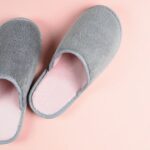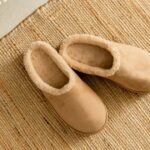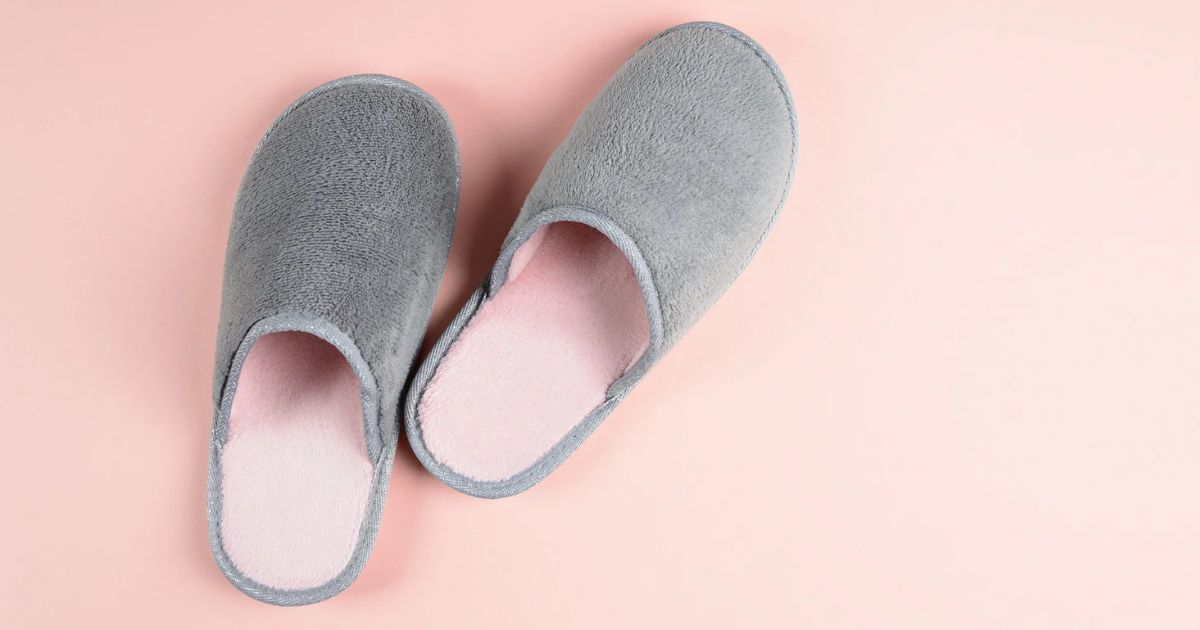
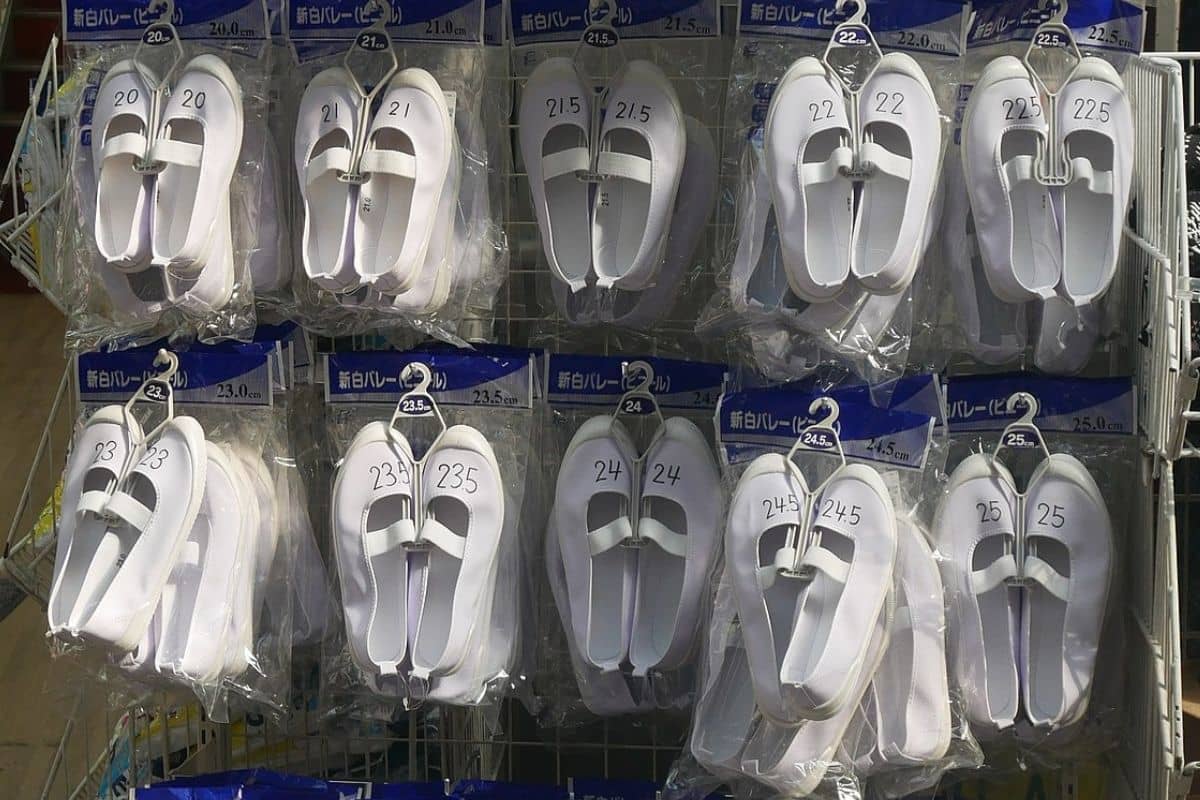
Japanese shoe etiquette traditionally requires shoes to be removed before entering homes and many traditional buildings, including certain temple interiors. Indoor slippers are commonly used after shoes are removed, although their use in Japan predates the 1950s.
These special slippers called (Uwabaki or Uwagutsu) are worn when visiting and entering buildings with polished floors, rugs, and tatami (mats made with rice straw or rush grass).
Tatami flooring is delicate, and it is customary to take shoes or slippers off when entering a tatami room. However, you don’t have to remove your shoes in most hotels, most restaurants, public buildings, commercial buildings etc.
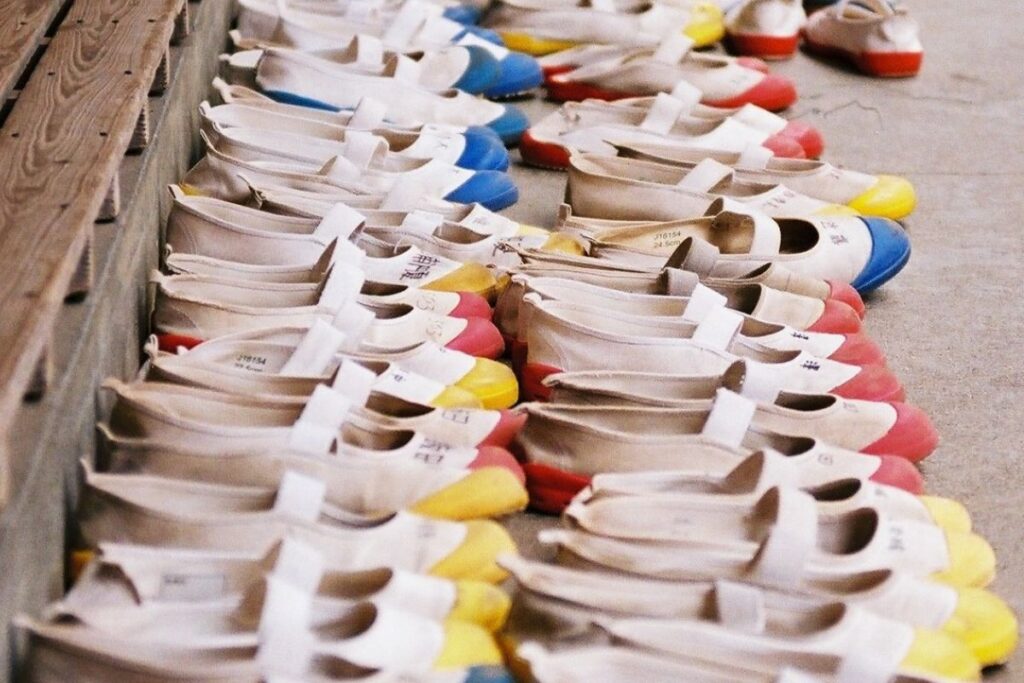
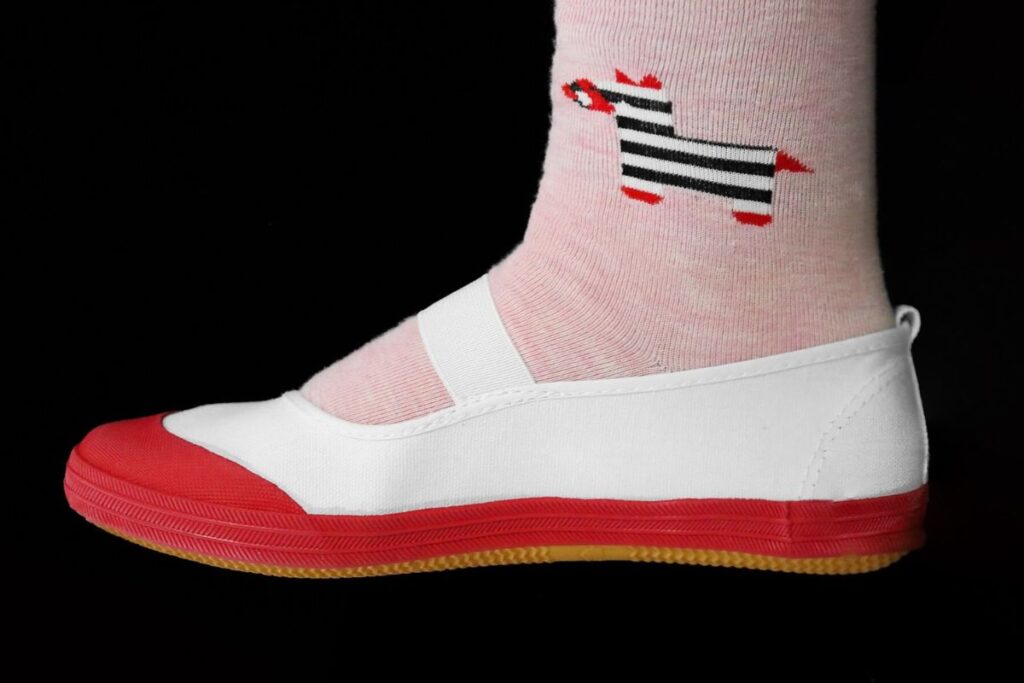
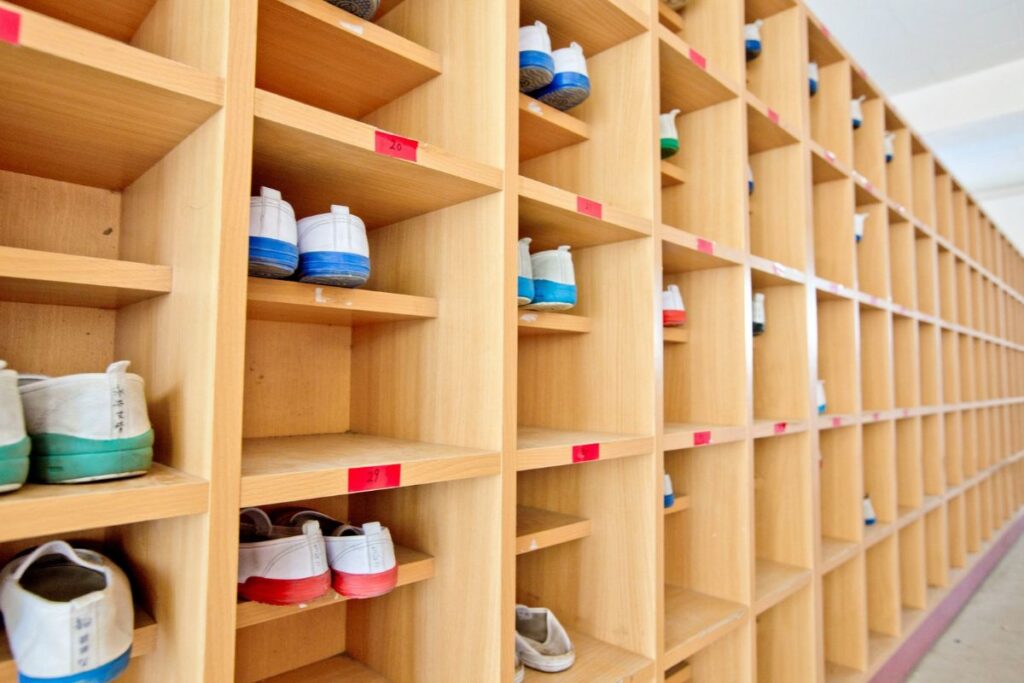
Each school entrance has a genkan (traditional entryway) with a getabako (shoe cupboard) where each student puts their uwabaki. The body color of the uwabaki is white but the stripped toes have different colors for each grade level. These slippers are light and flexible and easy to slip on and off.
6 Reasons Why Japanese Kids Wear Slippers in School
In Japan, it is a unique sight to see kids wearing slippers (Uwabaki) in school. Even in their classrooms! This is an everyday occurrence for most Japanese students and often surprises non-Japanese visitors.
Uwabaki’s are seen as essential footwear to ensure the cleanliness of schools while also helping pupils feel comfortable throughout long days of learning.
But what other reasons could there be why kids wear slippers inside the school? Join us as we uncover this strange custom’s cultural and historical significance!

1. To Maintain Cleanliness
Japanese schools do not employ janitors, leaving the students to clean for themselves. They see this as an act of equalizing everyone and helping the students not to see themselves as above certain jobs.
It is also done to teach the student responsibility and respect, starting with cleaning their personal spaces. Japan’s school system has integrated cleaning into the curriculum, and this is a holistic practice that helps learners grow to be responsible citizens.
They live by a simple motto that states that if you use a particular space, it is your duty and responsibility to leave it as clean as you found it.
Related: How to Clean White Shoe Soles at Home
2. Japanese Culture
There is a Japanese concept called ‘Soto-uchi’ that comes from Shinto and has been in existence for a very long time.
The outside (Soto), is considered unclean and impure, and every building has a physical and spiritual threshold to cross.
This threshold is represented by a step/raised floor and it separates the Soto from the Uchi (the inside). To prevent bringing ‘uncleanliness’ inside the school or any building, you are required to wear uwabaki.
3. Provision of Academic Performance
This might be surprising, but research has been conducted and proven that wearing slippers/ uwabaki increases academic performance. Just like at home, slippers help the students feel at home and in tune with the classes.
We can all agree that the last place a child would sit when reading is a stiff, upright chair and wearing tight shoes. Given a chance, they will study lying down and with slippers or barefoot.
Therefore, having the same conditions in the class means more students are reading, which positively affects academics.
4. For Comfort
Apart from the Japanese culture, the uwabaki slippers provide maximum comfort. They allow proper blood flow through your feet and reduce strains on your feet and legs.
The uwabaki are made from canvas material with a flexible rubber sole. The upper is made from a high-quality PU soft, comfortable, and breathable material.
5. To Prevent Damage to Floors and Rugs
Most Japanese buildings, including schools, have wooden floors, rugs, tatami (grass) mats, and carpets. They are delicate and get damaged/dirty very easily.
Since students do their cleaning, wearing uwabaki slippers is encouraged to keep the floors clean and prevent damage to the floors and a lot of litter. They also help to prevent scuff marks on the floor.
According to JapanToday, the uwabaki are always kept clean, and this prevents them from collecting mud, grime, and pebbles that might mar the floors.
Related: Why are Golden Goose Shoes so Expensive
6. For Warmth
During winter, the floors get super cold. Since wearing outdoor shoes indoors is not allowed, the uwabaki help to keep the feet warm instead of staying barefoot.
When it rains, shoes and socks become soaked, hence the need to have uwabaki slippers to stay warm. The best uwabaki slippers are made from high-quality soft, and comfortable fabric wool, which is incredibly comfortable, cozy, and warm.
Uwabaki are lined with anatomic insoles with 100% wool. This keeps your feet warm at all times. They also have sufficient treads to prevent students from slipping on smooth floors.
This helps the students concentrate on their studies without worrying about frostbite or freezing feet.
Conclusion
Wearing slippers in school is a Japanese tradition that dates back centuries. It’s a way to keep the floors clean, propagate their culture, for comfort and warmth, and to prevent the spread of germs.
This simple act of wearing slippers in school can create a more positive learning environment.
Today, most schools in Japan require students to wear slippers inside the classroom and in other common areas. Wearing slippers is also seen as a sign of respect for others and for one’s surroundings.
By wearing slippers in school, Japanese children are taught to be considerate of others and to take pride in their environment.
Check out this amazing Uwabaki Shoes offers on Amazon.com.